AMONA provides smart meter solutions that support digital utility modernization, connected monitoring, and data-driven infrastructure management across residential, commercial, and smart city environments.
AMONA offers smart meter products as part of its broader Smart IoT product family, supporting the growing needs of smart city, utility digitalization, and connected infrastructure projects. In modern IoT and smart city environments, smart meters play an important role by enabling more accurate energy measurement, better usage visibility, remote reading, event monitoring, and communication with central management systems. Through solutions such as the LC2000 and LP2000 series, AMONA is able to support customers looking for intelligent metering capabilities that align with advanced utility operations, automated billing, demand management, and future-ready smart infrastructure deployments. These products are suitable for applications where reliable metering, communications readiness, operational insight, and integration into wider energy or IoT management platforms are increasingly important.
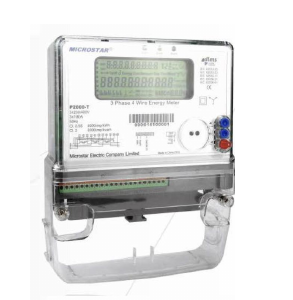
Representative smart meter device image used for the AMONA IoT smart metering portfolio.
AMONA’s smart meter offering combines accurate metering, communication flexibility, and operational intelligence to support both present-day billing needs and future smart infrastructure requirements. Across the LC2000 and LP2000 series, the solution supports high-accuracy measurement of key electrical parameters such as active energy, reactive energy, apparent energy, voltage, current, power, power factor, and in some variants harmonics. The meters also provide maximum demand registration, Time of Use control with multiple tariff structures, configurable load profiles, event logging for power quality or tampering events, and high-visibility LCD displays with backlight. Communication support includes DLMS, IEC 62056-21, and MODBUS, with options for optical port, RS485, RS232, PLC, RF, GPRS, WiFi, and Ethernet depending on deployment requirements. The overall design emphasizes reliability, anti-tampering, long-term field use, and readiness for AMR or wider smart utility integration.

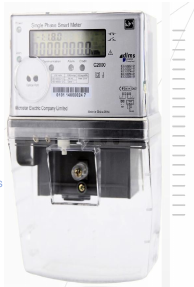
Additional smart meter product image showing another meter format within the portfolio.
The smart meter portfolio represented by these files includes transformer-operated smart electricity metering capabilities with accuracy classes such as Class 0.2s, Class 0.5s, and Class 1.0. Supported measurements include kWh, kvarh, kVAh, voltage, current, power, power factor, and selected monitoring functions such as harmonics in some models. The meters support maximum demand registration for kW, kvar, and in some cases kVA, together with flexible Time of Use programming ranging from 4 tariffs up to 8 tariffs depending on model configuration. Load profile recording is supported, with one file indicating up to 180 days at 30-minute intervals and the other indicating dual configurable load profiles with extended recording duration. Event logs are available for configurable power quality and tampering records, while LCD display options include large-character 8-digit or 11-digit backlit displays. Communication support includes DLMS, IEC 62056-21, and MODBUS protocols, with local and remote communication options covering optical, RS485, RS232, PLC, RF, GPRS, WiFi, and Ethernet. Additional design elements include internal RTC support with super capacitor and backup battery, replaceable battery options, anti-tampering casing structure, and AMR-ready architecture.
These smart meter products are suitable for a wide range of metering and utility-related applications, particularly where customers require a combination of accurate billing, communications integration, and smart infrastructure readiness. Typical use cases include residential and commercial billing, credit and prepayment metering, direct connected or transformer-operated metering deployments, remote meter reading environments, and utility systems that require event logging, tamper detection, and Time of Use tariff support. In a broader Smart IoT and smart city context, these products are also relevant for projects involving digital utility modernization, connected energy monitoring, smart building infrastructure, distributed energy management, and centralized metering platforms that benefit from data visibility and remote operational control.